PUBLICACIONES-BANNER

PUBLICACIONES CIENTÍFICAS

ARTÍCULOS PUBLICADOS POR NUESTROS SOCIETARIOS

CPC-BANNER

COMITÉ

CPC

COMITÉ PERMANENTE CIENTÍFICO

CPPC-BANNER

COMITÉ

CPPC

COMITÉ PERMANENTE DE PUBLICACIONES CIENTÍFICAS

CPA-BANNER

COMITÉ

CPA

COMITÉ PERMANENTE ACADÉMICO

CPRII-BANNER

COMITÉ

CPRII

COMITÉ PERMANENTE DE RELACIONES INTERINSTITUCIONALES E INTERCAMBIOS

CPAIS-BANNER

COMITÉ

CPAIS

COMITÉ PERMANENTE DE ATENCIÓN INTEGRAL EN SALUD

CPDII-BANNER

COMITÉ

CPDII

COMITÉ PERMANENTE DE DIFUSIÓN E IMAGEN INSTITUCIONAL

¿QUIÉNES SOMOS?

La Sociedad Científica de Estudiantes de Medicina de la Universidad Nacional de Trujillo, una institución sin fines de lucro con la finalidad de promover la investigación desde pregrado, la calidad académica y actividades de promoción y prevención de la salud.

SER MIEMBRO

MARCO LEGAL

Fundada el 10 de agosto de 1992 mediante Resolución Nº 020 - 92 Fac Med

Reacreditada mediante Resolución N°022-2025-UNT.FAC.MED/D

Reglamento Interno
Estatuto

NUESTRA MISIÓN

Ser una asociación de estudiantes de Medicina Humana de la Universidad Nacional de Trujillo cuyo fin sea el promover y desarrollar investigación científica y con educación medica en pre-grado. Realizando actividades que se llevan a cabo con la debida proyección hacia la comunidad e intercambios estudiantiles.

NUESTRA VISIÓN

SOCEMUNT se consolidará como la asociación científica estudiantil líder en el desarrollo y publicación de trabajos de investigación en pre-grado, las cuales contribuirán a la mejora de las condiciones de salud de la población, con liderazgo a nivel nacional e internacional demostrado por el nivel de sus publicaciones científicas y trabajo en prioridades de investigación a nivel regional, nacional e internacional.

PUBLICACIONES NUEVAS

Actualización de artículos científicos publicados por nuestros societarios.

jueves, 6 de febrero de 2025

Vitamin B12, folate, and homocysteine levels in children and adolescents with obesity: a systematic review and meta-analysis

Vitamin B12, folate, and homocysteine levels in children and adolescents with obesity: a systematic review and meta-analysis


ABSTRACT

Background and aims: Childhood and adolescent obesity is a global public health concern. Obesity induces several metabolic disturbances. Several studies have explored the association of vitamin B12, folate, and homocysteine (Hcy) with obesity. This study aimed to synthesize the available evidence regarding the differences in serum levels of vitamin B12, Hcy, and folate among children or adolescents with and without obesity. Methods: A random-effects meta-analysis using the Sidik-Jonkman method and corrected 95% confidence interval (CI) using the truncated Knapp-Hartung standard errors was used for all meta-analyses. Standardized mean difference (SMD) with the corresponding 95% CI was used as the only effect size. The Cochran’s Q test and the I2 statistic were used to evaluate between-study heterogeneity. Publication bias was assessed using funnel plots and the Egger test. Results: Twenty studies were included with a combined study population of 7,791 patients. There were no significant differences between children/adolescents with and without obesity with respect to serum vitamin B12 levels (SMD: −0.24; 95% CI: −0.53 to 0.06; p > 0.05, I2 = 74.93%) and folate levels (SMD: −0.12; 95% CI: −0.29 to 0.06; p > 0.05, I2 = 19.6%). However, children/adolescents with obesity had significantly higher Hcy levels compared to counterparts without obesity (SMD: 0.77; 95% CI: 0.39 to 1.14; p < 0.001, I2 = 86.4%). Conclusion: Children and adolescents with obesity had higher Hcy levels than those without obesity. However, no significant differences were found for vitamin B12 and folate levels. Hcy may play a role in the development of obesity in this population.

NOMBRE DE LA REVISTA

Frontiers in Public Health

TIPO DE MANUSCRITO

Revisión sistemática 

IDIOMA

Inglés 

AUTORES DE LA SOCIEDAD  

 Juan R. Ulloque-Badaracco

LEER ARTÍCULO COMPLETO

viernes, 13 de diciembre de 2024

Empowering cancer prevention with AI: unlocking new frontiers in prediction, diagnosis, and intervention

Empowering cancer prevention with AI: unlocking new frontiers in prediction, diagnosis, and intervention


ABSTRACT

Artificial intelligence is rapidly changing our world at an exponential rate and its transformative power has extensively reached important sectors like healthcare. In the fight against cancer, AI proved to be a novel and powerful tool, offering new hope for prevention and early detection. In this review, we will comprehensively explore the medical applications of AI, including early cancer detection through pathological and imaging analysis, risk stratification, patient triage, and the development of personalized prevention approaches. However, despite the successful impact AI has contributed to, we will also discuss the myriad of challenges that we have faced so far toward optimal AI implementation. There are problems when it comes to the best way in which we can use AI systemically. Having the correct data that can be understood easily must remain one of the most significant concerns in all its uses including sharing information. Another challenge that exists is how to interpret AI models because they are too complicated for people to follow through examples used in their developments which may affect trust, especially among medical professionals. Other considerations like data privacy, algorithm bias, and equitable access to AI tools have also arisen. Finally, we will evaluate possible future directions for this promising field that highlight AI’s capacity to transform preventative cancer care.

NOMBRE DE LA REVISTA

Cancer Causes & Control

TIPO DE MANUSCRITO

Revisión sistemática 

IDIOMA

Inglés 

AUTORES DE LA SOCIEDAD  

 Luis M. Acuña-Chavez

LEER ARTÍCULO COMPLETO

lunes, 11 de noviembre de 2024

Prevalence of metabolic syndrome and its components according to altitude levels: a systematic review and meta-analysis

Prevalence of metabolic syndrome and its components according to altitude levels: a systematic review and meta-analysis

ABSTRACT

Metabolic syndrome has a multifactorial origin; however, epidemiological data correspond to populations located at sea level. It has been reported that the altitude can affected the prevalence due to physiological changes. The aim of this study is to show the global prevalence of metabolic syndrome at altitude and its components. We use four databases, all studies published up to November 2023. The prevalences from studies were meta-analyzed using a random-effects model. To assess sources of heterogeneity, subgroup analyses were performed. We included 28 studies. The number of participants was 29 195. The prevalence of metabolic syndrome was 30.3% (95% CI 22.8–38.4%). According to the altitude level, at 1500–2500 was 36.5%, 2500–3500 (21.8%), and > 3500 (30.9%), also it was higher in women (35.5%) that men (26.8%). It was observed that there is an inverse relationship between higher altitude and the prevalence of metabolic syndrome. Among its components, abdominal obesity and low HDL were present in more than 40.0%, while high blood pressure, high triglycerides and impaired glucose were present in less than 30.0%. We recommend that our results be considered for future research in populations living at altitude since they have different characteristics from populations at sea level.

NOMBRE DE LA REVISTA

Scientific Reports 

TIPO DE MANUSCRITO

Revisión sistemática y meta-análisis

IDIOMA

Inglés 

AUTORES DE LA SOCIEDAD 

 Enrique A Hernandez-Bustamante

LEER ARTÍCULO COMPLETO

lunes, 2 de septiembre de 2024

Survival Analysis, Clinical Characteristics, and Predictors of Cerebral Metastases in Patients with Colorectal Cancer

Survival Analysis, Clinical Characteristics, and Predictors of Cerebral Metastases in Patients with Colorectal Cancer


ABSTRACT

Introduction: Colorectal cancer (CRC) is the third most common cancer globally and a leading cause of cancer-related deaths. While liver metastasis is common, brain metastasis (BM) is rare, occurring in 0.1% to 14% of cases. Risk factors for BM include lung metastasis at diagnosis, rectal cancer, and mutations in RAS and KRAS genes. Due to its rarity, guidelines for BM screening and treatment are limited. The aim of this study is to identify the clinical characteristics and predictors of BM at the time of the initial diagnosis of CRC. Methods: We evaluated patients ≥18 years old with metastatic colorectal cancer and brain metastases at diagnosis from the SEER database (2010–2021). A retrospective cohort study was conducted to analyze overall survival and predictive factors for brain metastasis, utilizing multivariate logistic regression, Kaplan–Meier survival analysis, and the Cox proportional hazards models, with p-values < 0.05 considered significant. Results: Out of 24,703 patients with metastatic colorectal cancer (mCRC), 228 (0.92%) had brain metastasis (BM) at diagnosis. BM was more prevalent in average-onset mCRC (≥50 years) compared to early-onset (<50 years) (1% vs. 0.55%, p = 0.004). Certain factors, such as older age and adenocarcinoma subtype, were associated with BM. Additionally, Asians/Pacific-Islanders (HR 1.83 CI: 1.01-3-33, p = 0.045) and American Indians/Alaska Natives (HR 4.79 CI 1.15–19.97, p = 0.032) had higher mortality rates, while surgical treatment and chemotherapy were linked to decreased mortality. Patients with BM had significantly worse overall survival (6 months vs. 21 months, p < 0.001). Conclusion: BM in mCRC is uncommon, but it is associated with significantly worse outcomes, including markedly reduced overall survival. Our study highlights several critical factors associated with the presence of BM, such as older age and specific racial/ethnic groups, which may inform risk stratification and early-detection strategies. Our findings emphasize the need for heightened awareness and screening for BM in high-risk mCRC patients, as well as the inclusion of these patients in clinical trials to explore tailored therapeutic approaches aimed at improving survival and quality of life.

NOMBRE DE LA REVISTA

Medical Sciences

TIPO DE MANUSCRITO

Análisis secundario

IDIOMA

Inglés 

AUTORES DE LA SOCIEDAD 

Jerry K. Benites-Meza

LEER ARTÍCULO COMPLETO

domingo, 1 de septiembre de 2024

Atherogenic markers and 1-year amputation risk in adults with diabetic foot in a tertiary level hospital: A retrospective cohort study

Atherogenic markers and 1-year amputation risk in adults with diabetic foot in a tertiary level hospital: A retrospective cohort study


ABSTRACT

Aim To determine the association between atherogenic markers, such as total cholesterol/high density lipoprotein cholesterol ratio (TC/HDL-C), triglycerides/HDL-C ratio (TG/HDL-C), and triglycerides-glucose index (TyG), and the risk of 1-year amputation in adults with diabetic foot in a tertiary level hospital. Methods Retrospective cohort study conducted in 162 adult patients with diabetic foot. The outcome was amputation, defined as “primary amputation in patients' clinical history after their first hospitalization due to foot ulcer.”. The cutoff point was determined using Youden's J statistic. The relative risk (RR) was presented as an association measure. Results A TyG index of >9.4 [RR: 1.64 (1.10–2.45)] was associated with a high risk of amputation after 1-year in adults with diabetic foot. However, while a TC/HDL ratio of >4.69 [RR: 1.38 (0.94–2.03)] and a TG/HDL-C ratio > 3.57 [RR: 1.35 (0.89–2.06)] did not show associations with risk of amputation after 1-year. Conclusions Only a TyG index of >9.4 was associated with an increased risk of 1-year amputation in adults with diabetic foot. Future studies with larger samples and a longitudinal design may provide more robust evidence and a better understanding of clinical implications.

NOMBRE DE LA REVISTA

Journal of Diabetes and its Complications

TIPO DE MANUSCRITO

Cohorte retrospectivo

IDIOMA

Inglés 

AUTORES DE LA SOCIEDAD 

Jerry K. Benites-Meza, Jussara Malo-Castillo

LEER ARTÍCULO COMPLETO

domingo, 7 de julio de 2024

Asprosin levels in patients with type 2 diabetes mellitus, metabolic syndrome and obesity: A systematic review and meta-analysis

Asprosin levels in patients with type 2 diabetes mellitus, metabolic syndrome and obesity: A systematic review and meta-analysis


ABSTRACT

Background & aims: Asprosin is a promising candidate for novel treatments for metabolic-endocrine disorders. The objective of this systematic review and meta-analysis was to consolidate the existing evidence regarding asprosin levels in patients diagnosed with type 2 diabetes (T2D), metabolic syndrome (MetS), and obesity. Methods: Scopus, Embase, PubMed, Ovid/Medline, and Web of Science were systematically searched without restrictions. We only used the standardized mean differences (SMD) with their 95 % confidence intervals (95 % CI) as the effect measure. A random-effects model (DerSimonian and Laird method) was used for the meta-analysis. Risk of bias was assessed with the Newcastle-Ottawa Scale and Newcastle-Ottawa Scale for Cross-Sectional Studies. Results: Twenty-six studies (n = 3,787) were included in the meta-analysis. Participants with T2D had higher asprosin values than those without T2D (SMD: 1.64; 95 % CI: 1.08-2.21; I2 = 97 %). Patients with MetS had higher asprosin levels compared to those without MetS (SMD: 0.99; 95 % CI: 0.34-1.64; I2 = 96 %). Patients with obesity had higher asprosin levels than participants without obesity (SMD: 1.49; 95 % CI: 0.23-2.76; I2 = 98 %). Conclusions: Asprosin is significantly higher in patients with either T2D, MetS, or obesity, compared with controls. Keywords: Asprosin; Diabetes mellitus; Metabolic diseases; Metabolic syndrome; Obesity.

NOMBRE DE LA REVISTA

Diabetes & Metabolic Syndrome: Clinical Research & Reviews

TIPO DE MANUSCRITO

Revisión sistemática y meta-análisis

IDIOMA

Inglés 

AUTORES DE LA SOCIEDAD 

Enrique A. Hernandez-Bustamante

LEER ARTÍCULO COMPLETO

PUBLICACIONES TOTALES

CONSEJO DIRECTIVO SOCEMUNT 2025

El Consejo Directivo de SOCEMUNT está compuesto por un grupo de líderes capacitados y comprometidos con la misión y visión de la organización. Este equipo trabaja de manera colaborativa para tomar decisiones estratégicas que impulsen el nivel científico, académico de los estudiantes de medicina de nuestra alma mater en beneficio de la salud de la comunidad. Su dedicación y experiencia son fundamentales para el éxito continuo de SOCEMUNT.

COMITÉ EJECUTIVO 2026

Luis Eduardo
Zavaleta Tisnado

Presidente

Estudiante de Medicina de la UNT
Miembro del Grupo de Investigación BIOGEHIS
Miembro del Programa Clubes de Ciencia Perú 2025
Apasionado por el aprendizaje continuo y la investigación en formación

Christopher Jair
Alarcón Toro

Vicepresidente

Estudiante de 4to año de Medicina UNT
Past Director CPPC SOCEMUNT 2024
Aspiro ser un investigador comprometido con mejorar la salud pública.

Jesus Angel
Fun Sacramento

Secretario

Aspiro a desarrollar un trabajo colaborativo eficiente y contribuir activamente a las labores de investigación de la sociedad

Solange Sarasvati
Mayor Castro

Tesorera

Estudiante de 6to año de Medicina UNT
CEO de e-Medic Perú
Con interés en la promoción
de la investigación y la tecnología

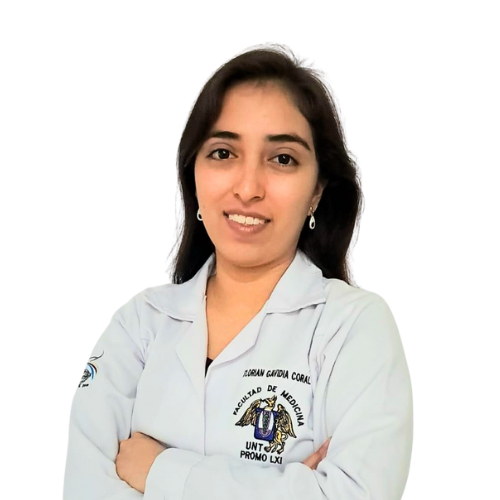
Coral Jhasmin
Florian Gavidia

Fiscal

Estudiante de 6to año de Medicina UNT
Miembro Primero de SOCEMUNT
Apasionada por el aprendizaje y la generación de nuevos conocimientos científicos

Luis Angel
Rocca Papuico

Delegado SOCIMEP

Soy estudiante de 4to año y mi labor se orienta al fortalecimiento institucional de SOCEMUNT, promoviendo iniciativas académicas, científicas y de integración que contribuyan al desarrollo de nuestra comunidad médica universitaria

Amy Eliane
Contreras Soto

Subdelegada SOCIMEP

Estudiante de 3er año de Medicina UNT
Miembro primero de SOCEMUNT
Entusiasmado por aprender aspectos científicos y teórico-clínicos de nuestra hermosa profesión.

COMITÉS PERMANENTES 2026

Luz Maria
Tingal Gomez

Directora CPC 🔬

Estudiante de 3° año de Medicina UNT
Comprometida con el fortalecimiento de la cultura investigadora, la formación científica de los estudiantes y la difusión del conocimiento en salud.

Yasmin Milagritos
Tenorio Morillo

Directora CPPC 📝

Estudiante de 4to año de Medicina de la UNT
"Ciencia que se investiga, conocimiento que se publica, salud que se transforma"

Shirley
Ramos Cabrera

Directora CPA 🎓

Estudiante de 4to año de Medicina UNT
Directora del Comité Permanente Académico – SOCEMUNT 2026
Trabajo en el fortalecimiento académico de los estudiantes de medicina a través de cursos, repasos y espacios formativos accesibles.

Javier Osiel David
Cusma Lovato

Director CPRII ✈️

Estudiante de 4to año de Medicina UNT
Con interés en investigación científica
Aspiro a contribuir al bienestar social mediante la práctica médica e investigación

Leila Daiana
Garcia Bocanegra

Directora CPAIS 🧡

Estudiante de 4to año de Medicina UNT
Busco en la educación a la población, una base para una futura sociedad informada y conciente sobre temas de salud

Claudia Lucia
Miranda Malca

Directora CPDII 💡

Estudiante de 2do año de Medicina UNT
Llegué a medicina buscando respuestas personales y hoy empiezo a descubrir en la investigación un espacio de crecimiento, aprendizaje y creatividad.